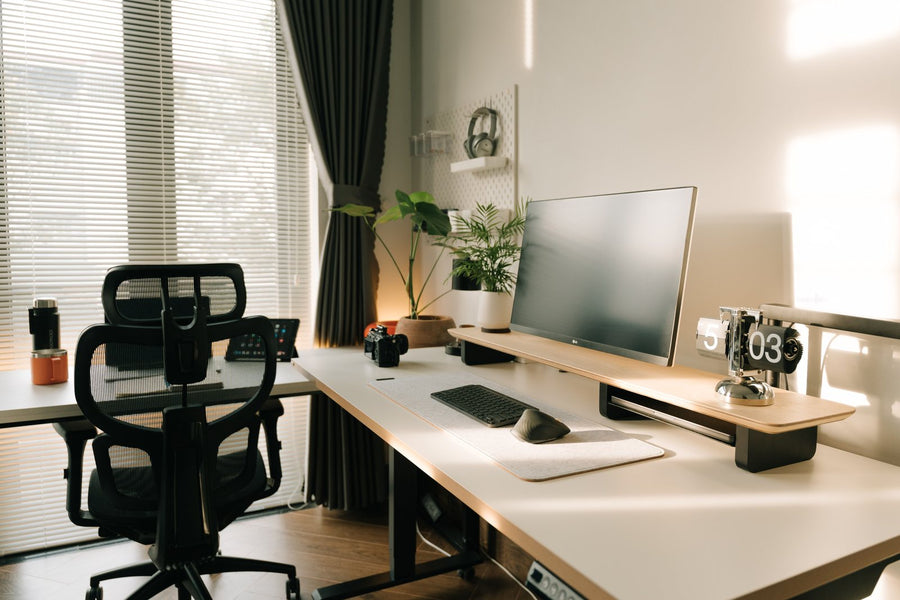
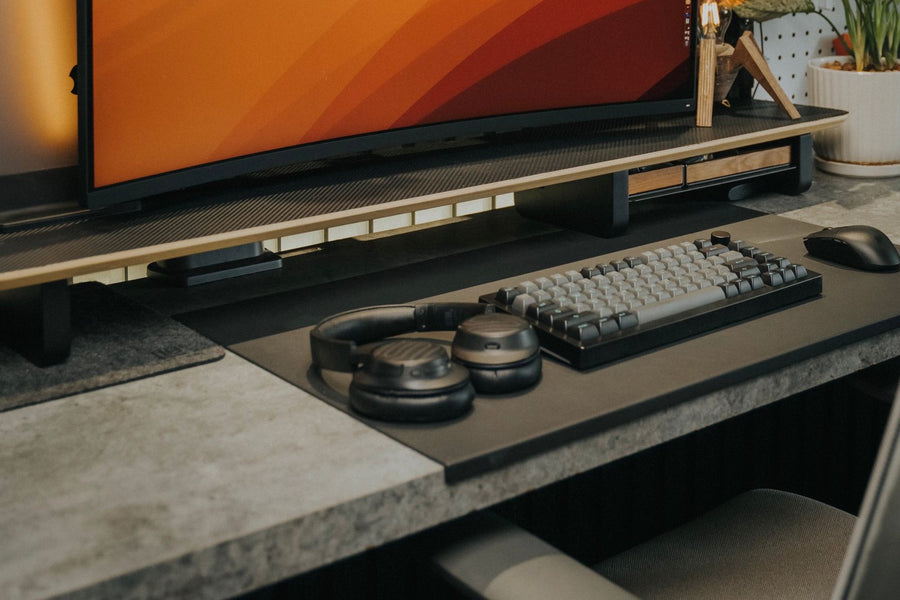
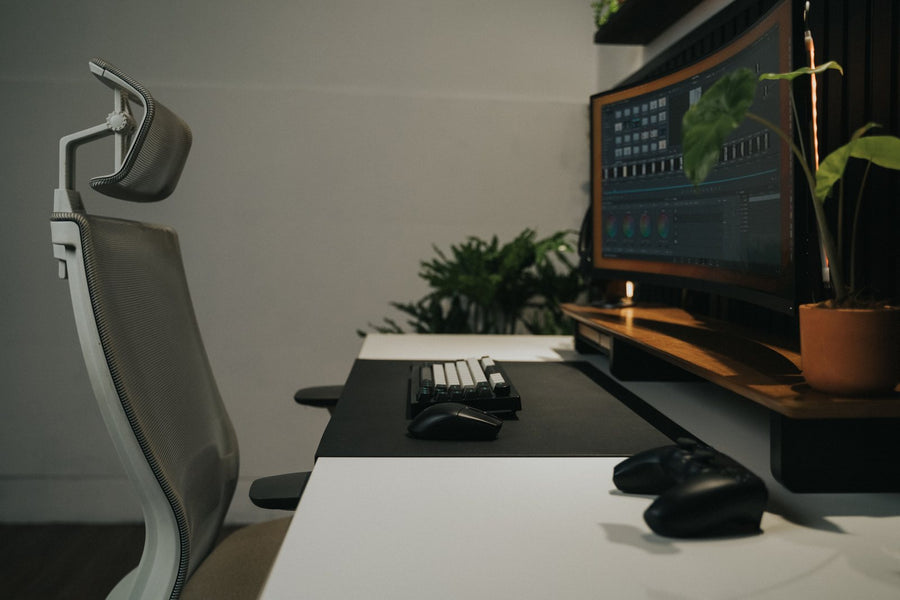
Adding a plant to a desk is easy; placing the right plant in the right spot is another matter. A large-leaved species chosen with the thought, “there’s a gap here,” might spill over the keyboard a few months later. A plant placed in a dark corner just for its appearance, however, will constantly create maintenance problems.
First, define the plant’s role in the space.
What will the plant change?
Will it soften the harsh light coming from the window? Will it separate the workspace within the living room? Will it create a more natural background behind technical devices? Will it add a small touch of life to the desk? Once the task is clear, the scale and placement become easier.
A small plant on the desk should not obstruct vision or create a risk of soil/water spillage. A larger plant, however, can establish a vertical boundary on the floor.
Look at its growth habit, not its current size
A newly acquired plant might double in size within a few months. Consider the pot, leaves, and stem together. On a small desk, large leaves might spill over into the workspace; on a large desk, a single tiny succulent might look accidental.
If you’re using multiple plants, instead of arranging them all at the same height, create layers between the floor, shelf, and table.
The pot is also part of the material palette
Keeping the nursery pot inside a decorative outer pot makes maintenance easier. You can create a connection with the rest of the desk by using ceramic, metal, or stone textures for the outer pot. Water protection is essential, especially on wooden surfaces.
The pot doesn't have to be the exact same color as the lamp or pencil holder; a kinship in tone and surface is sufficient.
Maintenance is your unseen design decision
Wilted leaves, overflowing soil, and irregular watering weaken even the best composition. Tie watering day into your work routine; clean the leaves and rotate the plant periodically according to the light.
If a corner is not suitable for a plant to thrive, it might be better to place a sculpture or lighting there. Design also involves not forcing a living thing into unsuitable conditions just for its appearance.