When you pick up a ceramic bowl, you first look at its form, then its surface. The very slight ripple on the rim, the small difference in the glaze's flow, the fingerprint left on the base… In mass production, most of these would be considered flaws. In handmade items, the matter is more subtle: not every mark is valuable, but not every difference is a mistake.
A good piece fulfills its function without hiding its production process. Therefore, handmade items should be evaluated with a careful eye, not a romantic slogan.
Don't confuse character with defect
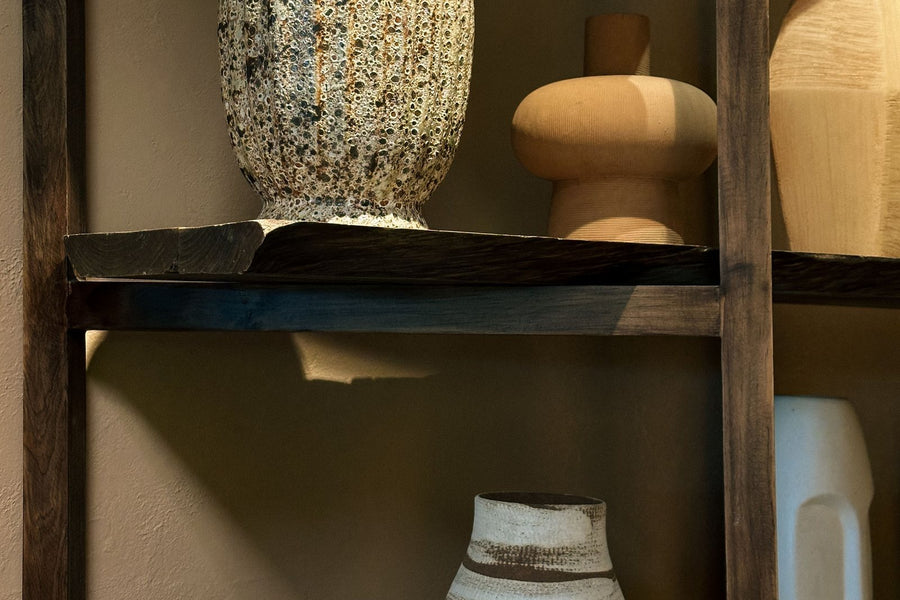
Slight asymmetry, a transition in glaze tone, or a minor difference in form can give a piece its identity. In contrast, a sharp crack, a base that doesn't sit stably, or a surface problem affecting safety of use is a true defect. Especially for products that come into contact with food, read the manufacturer's usage and care information before aesthetics.
The appeal of a handmade object is not that it's "imperfect" but that it bears the traces of decisions and material. The difference is important. A surface looking accidental is not the same as being produced uncontrollably.
A fingerprint appears stronger in a modern home
Handmade pieces don't just have to be paired with rustic, bohemian, or natural materials. On the contrary; next to plain lacquer, glass, metal, or furniture with sharp geometries, a hand-formed ceramic shape becomes more visible. Contrast amplifies the character of the material.
On a console, a single large ceramic piece, a thin stack of books next to it, and plenty of empty space is often more impressive than five small decorative pieces. Instead of filling the surroundings of a handmade object, leave it some viewing distance.
To be a set, pieces don't have to be identical
Two cups coming from the same series but having slight size differences does not ruin the set. The common clay, glaze, proportions, or production language already binds them together. Trying to make handmade items "match" with a mass production mindset destroys the most interesting aspect of the object.
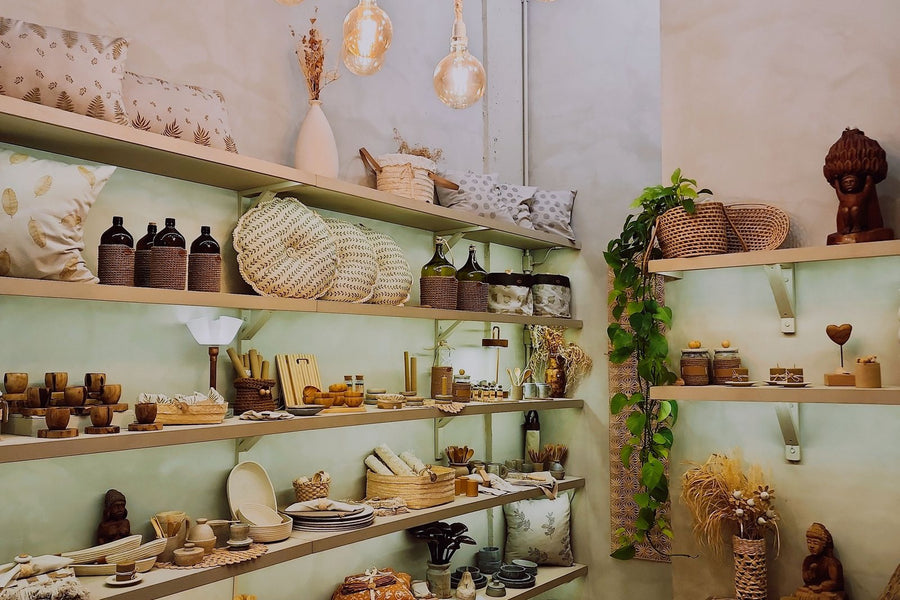
On shelves and tables, use pieces with similar character but not exact matches together. Tonal proximity, material family, or form rhythm is sufficient. Small differences add realism to the composition.
Good material changes over time
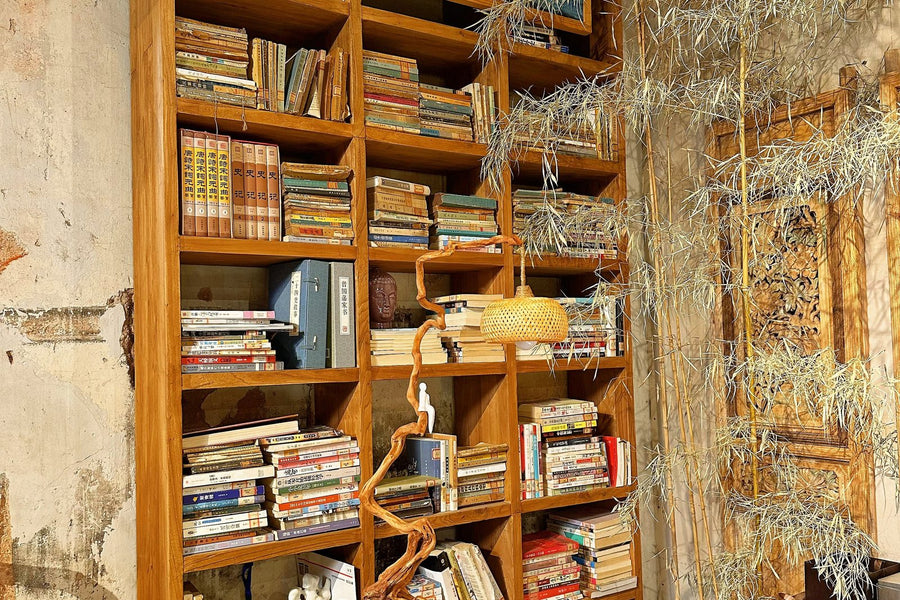
When buying an object, don't just think about the day it comes out of the box. Wood can darken, matte ceramic can subtly shine with handling, textiles can soften. If these changes are not due to neglect of care, they are part of the object's life.
A long-lasting selection consists not of items that constantly try to look new, but of pieces that become more personal as they age. Follow the manufacturer's care recommendations, don't discard repairable pieces immediately, and read the marks of use as a continuation of the design.